 by
by As you enter your 50s and beyond, signs like fatigue, digestive discomfort, or reduced energy may emerge. These issues may not just be from aging—they could signal that your liver needs attention. With age, the liver, like every other organ, changes. These changes stem from time, lifestyle choices, and years of environmental exposure.
The United Nations reports that by 2050, one in four people globally will be over 65. This shift means a large population will face age-related liver changes. These changes may impact metabolism, medication tolerance, and vitality. However, there’s good news—the liver is highly adaptable. When supported with the right habits, your liver can remain strong and efficient, even as you age.
This article outlines how to improve liver health naturally through proven methods. You’ll learn how aging impacts the liver and practical steps to keep it functioning at its best.
The Liver’s Role and Why It Matters
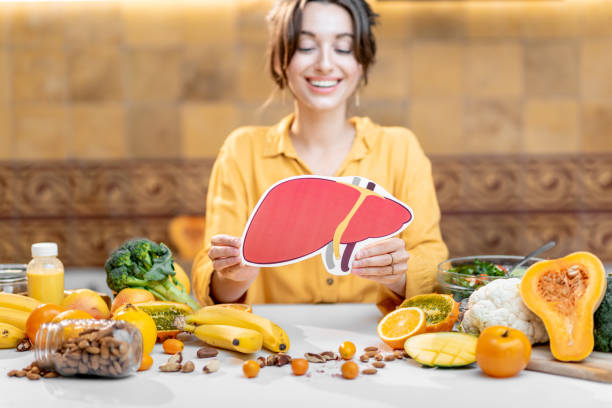
The liver performs over 500 vital functions. It’s essential for processing nutrients, producing bile, detoxifying blood, and managing cholesterol and blood sugar. It also stores vital nutrients and supports both immunity and hormone balance.
Because the liver impacts nearly every system in your body, its proper function is crucial to feeling your best. However, as you grow older, its ability to regenerate weakens. This decline is often made worse by long-term medication use, environmental toxins, and poor dietary choices.
That’s why liver support for seniors isn’t just another trend—it’s vital to healthy aging. With proactive habits, you can slow liver decline and stay energized for years.
How Liver Function Changes with Age
Medical imaging studies reveal that the liver shrinks with age. In fact, liver size can decrease by 20% to 40%. Blood flow to the liver may also decline by 35% after age 65. By age 70, the liver’s ability to metabolize medications can drop by as much as 30%.
These changes make it harder for older adults to process toxins and medications. This challenge increases the risk of side effects and liver stress, particularly for those on multiple medications (polypharmacy). Taking five or more medications daily is common and places a heavy burden on the liver.
Additionally, aging increases oxidative stress and chronic inflammation. These can damage liver cells and contribute to conditions like Metabolic dysfunction-associated steatotic liver disease (MASLD), formerly called NAFLD. This disease now affects up to 35% of adults over age 65.
Although some age-related changes are natural, many can be avoided. Healthy lifestyle choices make a real difference.
Nutrition Habits to Improve Liver Health Naturally
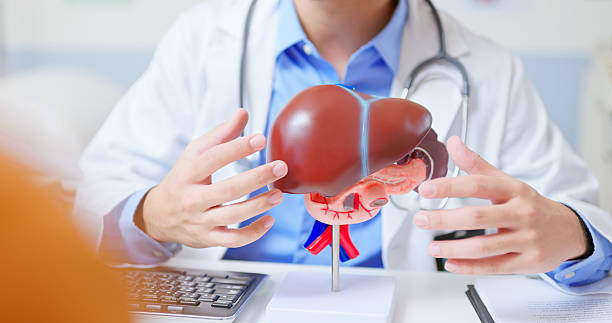
Your diet has a direct impact on liver wellness. A whole-food, anti-inflammatory eating plan helps reduce liver fat and supports detoxification.
Consider these liver-friendly foods, supported by research:
- Leafy greens and berries: Packed with antioxidants that protect liver tissue
- Eggs, soy, and fatty fish: Provide choline, which helps prevent fat from building up
- Salmon, walnuts, and flaxseeds: Great omega-3 sources that reduce liver inflammation
- Whole grains and legumes: Contain B vitamins essential for metabolism and detox
- Nuts and seeds: Offer zinc and magnesium, vital for liver enzyme performance
- Coffee and green tea: Both linked to lower risks of liver disease
- Turmeric, garlic, and ginger: Natural anti-inflammatories that aid liver function
By choosing these foods regularly, you support liver regeneration and help maintain detox pathways as you age.
Exercise: A Powerful Tool for Liver Support
Physical activity benefits your liver as much as it supports your heart or brain. In fact, a 2009 study showed that just four weeks of aerobic exercise lowered liver fat—even without weight loss.
A study from Penn State found that 150 minutes of brisk walking per week improved both liver enzyme levels and insulin sensitivity.
Low-impact activities are best for older adults. Walking, swimming, tai chi, and yoga are excellent options. These movements:
- Boost insulin sensitivity
- Decrease liver fat production
- Improve fat metabolism
- Help protect liver cells from oxidative stress
Adding regular physical activity can significantly improve liver health after 50.
Reduce Harmful Toxins and Medications
As your liver ages, it becomes more sensitive to toxins and medications. Its filtering capacity may decline, leading to a higher risk of damage.
Common stressors include:
- Pain relievers: Such as acetaminophen, aspirin, and ibuprofen
- Cholesterol drugs: Including statins
- Antibiotics and antifungals
- Methotrexate and other arthritis medications
- Steroids, chemotherapy drugs, and high-dose niacin
If you’re on multiple medications, schedule regular checkups to assess liver function. Polypharmacy remains a top concern among older adults.
Alcohol consumption is another major liver strain. Even moderate drinking can cause damage. Reducing or eliminating alcohol is one of the easiest ways to protect liver function in your 50s and beyond.
You should also avoid environmental toxins, such as carbon tetrachloride, vinyl chloride, and industrial chemicals. Use protective gear and follow safety guidelines if you work in environments with hazardous materials.
Supplements That May Help Liver Health
While a healthy diet is the foundation, certain supplements may support liver health when needed.
Here are some evidence-based options:
- Vitamin D: Low levels are tied to a higher risk of fatty liver
- Choline: Helps move fats out of the liver
- N-acetyl cysteine (NAC): Increases glutathione, a powerful antioxidant
- Milk Thistle (Silymarin): May reduce liver inflammation and support regeneration
Always consult your doctor before taking any new supplement, especially if you’re on medications. Supplements can interact with drugs or impact liver enzyme function.
When to See a Doctor
Liver disease in seniors often progresses without obvious symptoms. Early signs are subtle and easy to overlook.
See a healthcare provider if you notice:
- Yellow skin or eyes (jaundice)
- Constant tiredness or mental confusion
- Abdominal swelling or discomfort
- Loss of appetite or ongoing nausea
- Bloating or leg swelling without explanation
Routine blood work and imaging tests can catch liver issues early. This becomes more important if you have diabetes, take multiple prescriptions, or drink alcohol.
Quick Recap: Smart Habits to Support Liver Health After 50
Your liver powers digestion, filters toxins, and regulates hormones. To keep it strong after age 50, make small, intentional choices every day:
- Eat a colorful, nutrient-rich diet
- Move your body with regular, gentle exercise
- Limit alcohol and review all medications with your doctor
- Use supplements cautiously and wisely
- Reduce exposure to chemicals and toxins
Aging doesn’t mean your liver has to slow down. With the right care, your liver can continue to protect and energize you well into later life.
FAQs: Liver Health After 50
1. What are the early signs of liver damage in older adults?
Fatigue, yellowing skin or eyes, bloating, and appetite loss are early indicators.
2. Can I reverse liver fat after age 50?
Yes, with proper diet and regular exercise, liver fat can often be reduced.
3. How often should I check my liver health after 60?
At least once a year, or more frequently if you’re on multiple medications or have risk factors.
4. Are supplements like milk thistle safe for seniors?
Yes, but only with a doctor’s approval. Supplements may interact with medications.
5. Is coffee good for liver health?
Research suggests coffee may reduce the risk of liver disease when consumed in moderation.
6. Should seniors avoid alcohol completely?
Reducing or eliminating alcohol is recommended, as aging makes the liver more sensitive.
7. Can yoga help liver health?
Yes, yoga improves blood flow and reduces inflammation, both beneficial for liver wellness.
8. Do all medications affect the liver?
Not all, but many do. It’s crucial to have your medications reviewed regularly.
9. What’s the best diet for liver support?
A whole-food diet rich in vegetables, omega-3s, and antioxidants is ideal.
10. How does polypharmacy harm the liver?
It increases the liver’s workload and risk of drug-related side effects or damage.
Thank You for Reading
Thank you for taking the time to read this article on how to improve liver health naturally after 50. We hope it helped you understand the crucial steps you can take to support your liver through your 50s, 60s, and beyond.
If you have any questions or thoughts about what you’ve just read, feel free to leave a comment. Don’t forget to share this with friends and family—it might just help someone else too. Wishing you vibrant health and a strong liver for years to come!